Genuine Leather vs Vegan Leather: Which Tignanello-Style Purse Lasts Longer?
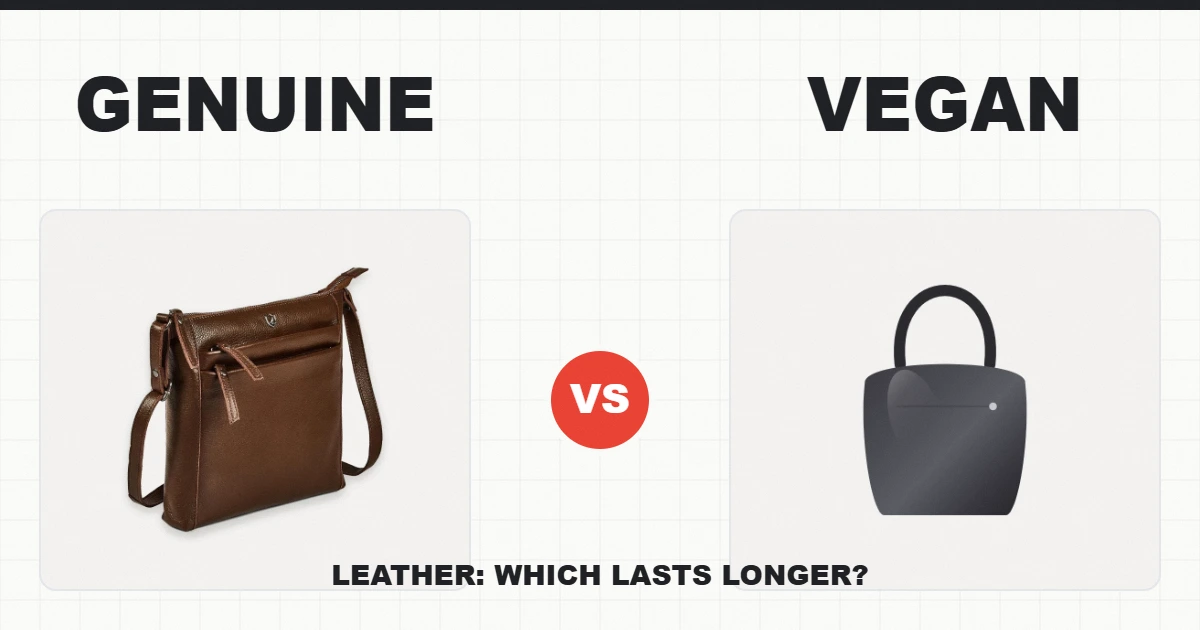
Tignanello built its name on pebbled genuine leather, and that’s the material most people picture when they think of the brand. Since Tignanello is no longer making new leather goods at volume, shoppers looking for a similar bag today land on two very different options: a genuine leather alternative or a vegan leather one. The two materials behave differently over time, and the choice affects how long the bag lasts and what it costs per year of use, not just at checkout.
What Counts as Genuine Leather and What Counts as Vegan Leather
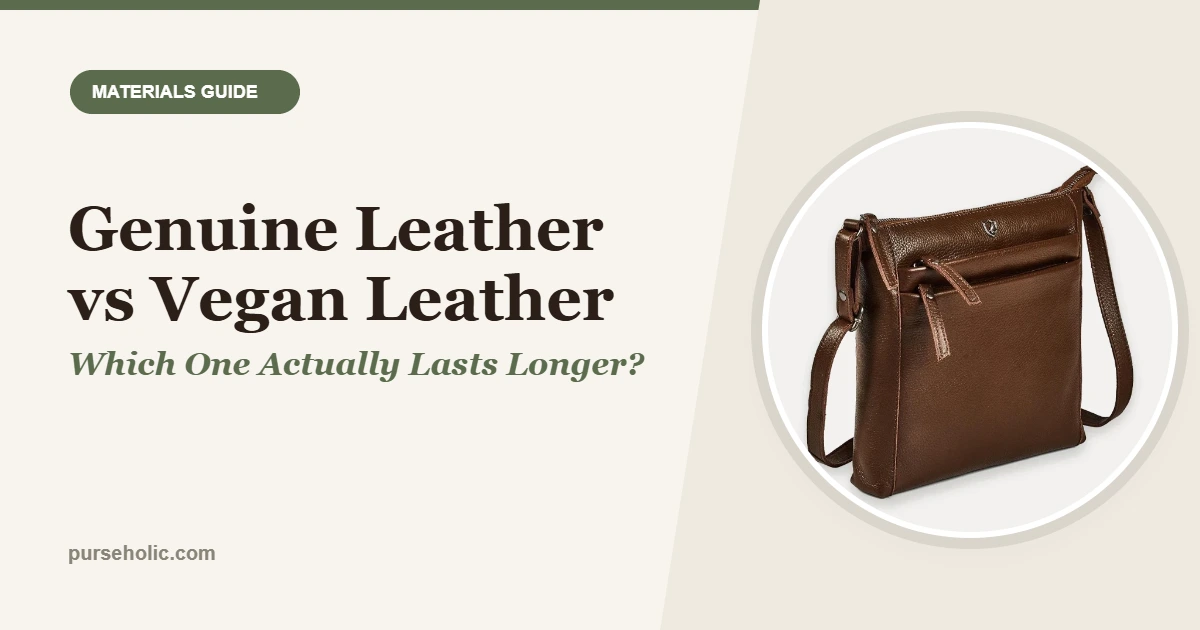
Genuine leather comes from actual hide, tanned and finished so it keeps its natural grain. Full-grain and top-grain versions are the sturdiest cuts, and they’re what most Tignanello-style crossbody and hobo bags use. Vegan leather is a catch-all term for synthetic materials, usually polyurethane (PU) or PVC coated onto a fabric backing, made to look like leather without any animal hide involved.
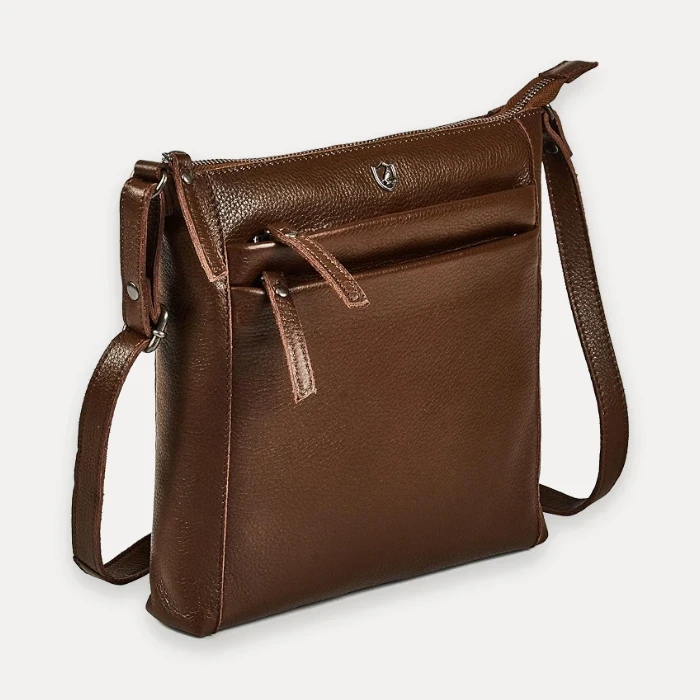
Genuine Leather
Real hide with a natural grain, used in most Tignanello-style pebbled leather bags.

Vegan Leather
A PU or PVC coating over fabric, built to copy the look of leather without animal hide.
Durability and Lifespan
This is where the two materials split the most. A well-made genuine leather bag can hold up for well over a decade with normal use and occasional conditioning. Vegan leather typically starts showing cracking or peeling within one to three years of regular use, since the PU or PVC coating breaks down with friction, sunlight, and moisture. Once that coating starts to go, there’s no way to repair it — the bag is done.
Cost Per Year, Not Just the Price Tag
Vegan leather bags are almost always cheaper upfront, often in the $30–$70 range, while a genuine leather bag with similar styling runs $100–$200. But spread that cost over how long each bag actually lasts and the math flips: a $150 leather bag used for ten years costs about $15 a year, while a $50 vegan leather bag replaced every two years costs $25 a year. If you replace vegan leather bags more often, the cheaper option isn’t necessarily the cheaper habit.
How Each Material Ages
Genuine leather develops a patina — it darkens slightly and softens with handling, and most people consider that a feature rather than wear. Scuffs and light scratches can often be conditioned out. Vegan leather doesn’t age the same way. Its surface coating doesn’t soften or improve with use; it just wears down, and creases in the coating tend to stay as visible lines rather than smoothing out.
Care and Maintenance
- Genuine leather: wipe with a damp cloth, condition every few months, keep away from prolonged direct sun and standing water.
- Vegan leather: wipe clean with mild soap and water, avoid heat sources (it can soften or melt near a radiator or car dashboard), and expect the finish to wear regardless of care.
- Both materials: stuff the bag when storing it to help it hold its shape, and store away from direct sunlight to slow fading.
Which One Should You Buy
If you want one bag to last for years and don’t mind conditioning it occasionally, genuine leather is the better long-term buy and the closer match to what Tignanello was known for. If you want a lower upfront cost, prefer not to use animal-derived materials, or want a bag for occasional or seasonal use rather than daily carry, vegan leather is a reasonable trade-off as long as you’re fine replacing it sooner. You can browse current genuine leather options in the Purseholic shop, and see how Tignanello’s original leather lines compare in our Tignanello leather buying guide.
As an Amazon Associate, Purseholic earns from qualifying purchases made through links on this page.
Common Questions
Does vegan leather ever last as long as genuine leather?
Rarely for everyday bags. Genuine leather can last over a decade with basic care, while most vegan leather starts cracking or peeling within one to three years of regular use. Higher-end vegan leathers made with newer materials can do somewhat better, but they still don’t match full-grain leather’s lifespan.
Is genuine leather worth the higher price for a Tignanello-style bag?
If you plan to carry the bag regularly for several years, yes — the cost per year of use is usually lower than replacing a vegan leather bag every one to two years. If you only need it occasionally, the lower upfront cost of vegan leather may make more sense.
Can you repair a cracked vegan leather bag?
Not really. Once the PU or PVC coating starts cracking or peeling, that damage doesn’t reverse. Genuine leather can be conditioned and often restored by a leather repair service, which is one of the main practical advantages it holds over vegan leather.